
Electric Cars and Sustainable Fashion in the Formula for Environmental Sustainability
The round table connected two distinct sectors to reveal common regulatory challenges of the green transition: product life cycles, producer responsibility, consumer protection, ESG standards and waste management.
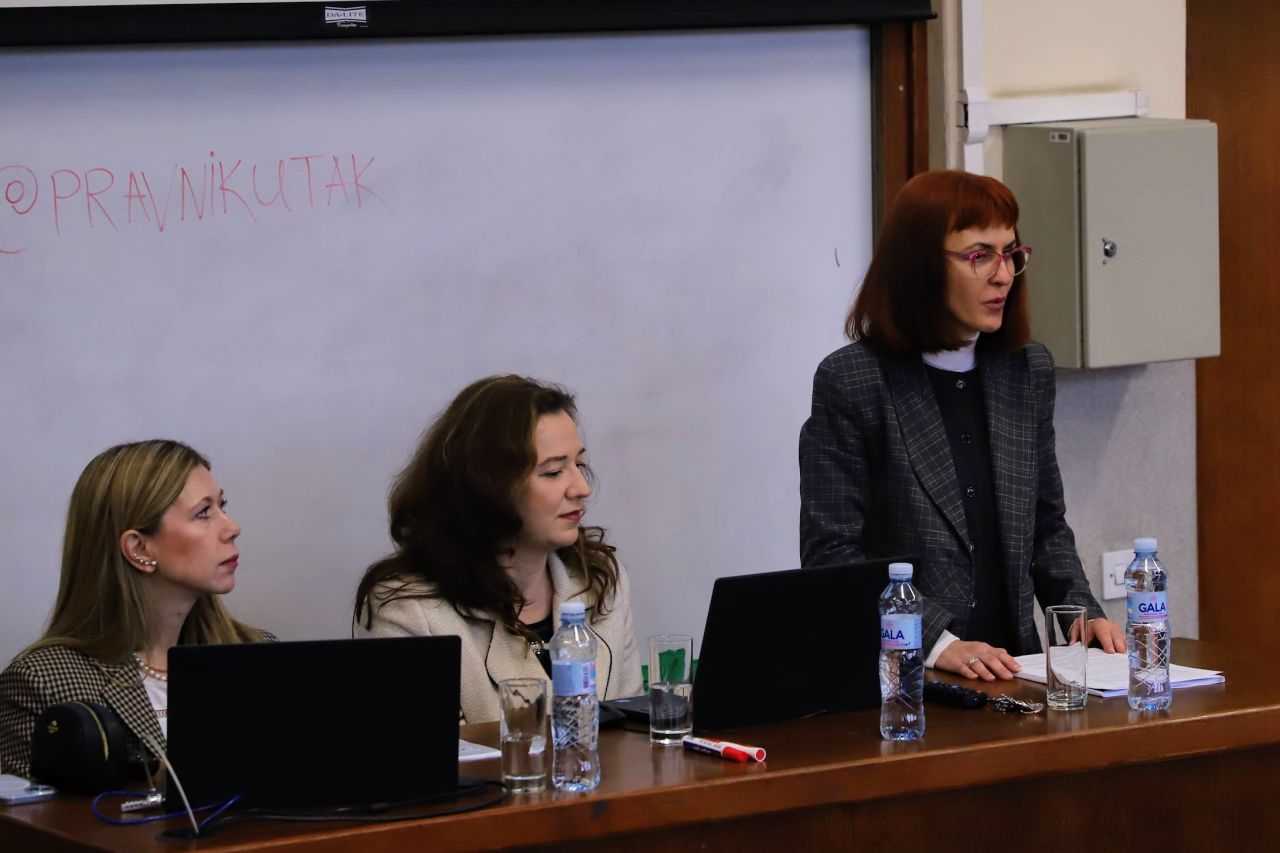
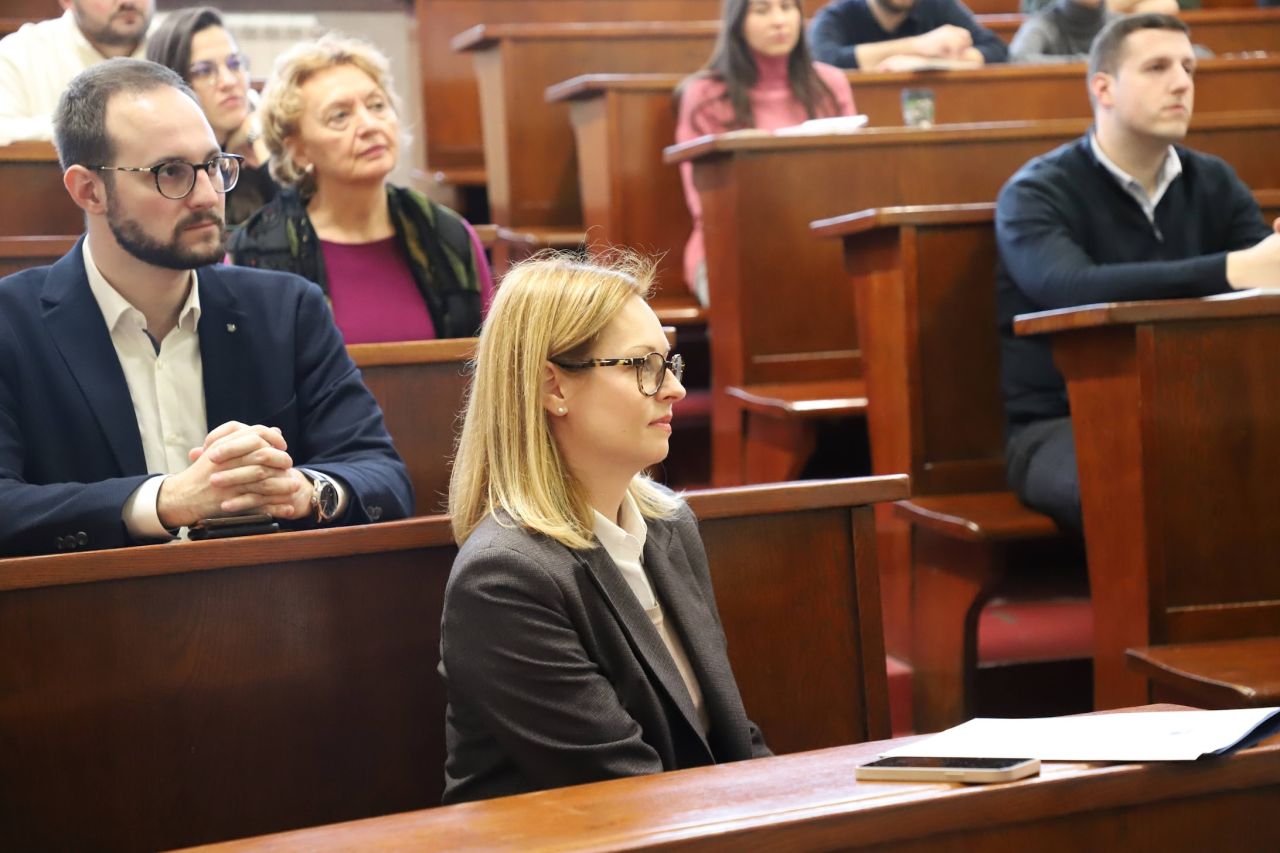
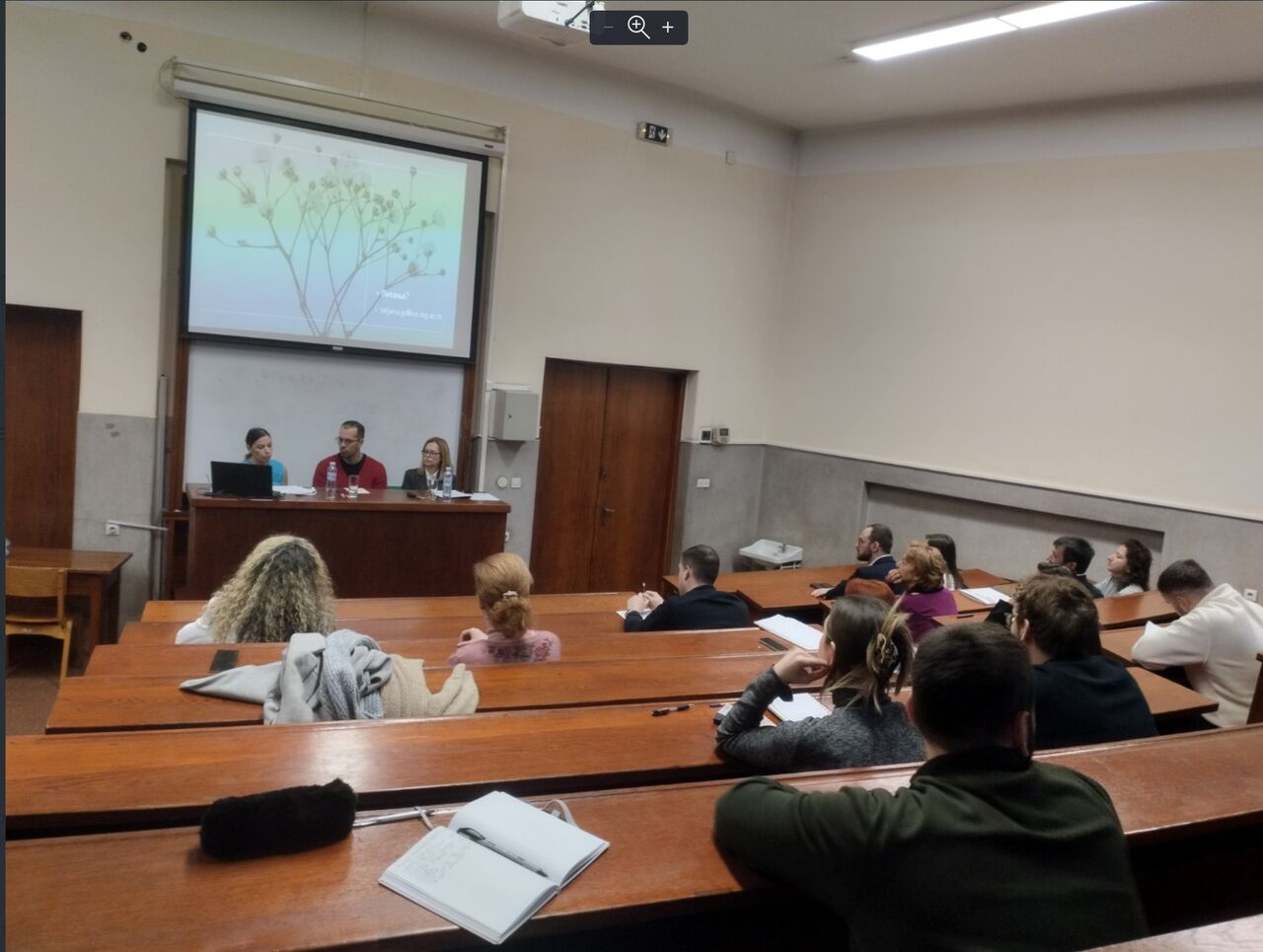
On 19 November 2024, the Jean Monnet Chair in European Environmental and Climate Change Law at the University of Belgrade Faculty of Law organised the round table “Electric Cars and Sustainable Fashion in the Formula for Environmental Sustainability” in cooperation with the OSCE Mission to Serbia. The presentations ran from 15:00 to 16:30 and were followed by discussion and informal exchange with participants. The event was held in Lecture Hall IV within the Environmental Law Clinic Hub (E-L-C Hub), a platform connecting alumni of the Environmental Law Clinic and the master’s programme in environmental law with legal professionals working in environmental protection.
The event was opened by Tatjana Đurković, Environmental Adviser at the OSCE Mission to Serbia, and Prof. Dr Mirjana Drenovak-Ivanović, who moderated the discussion. Participants included Prof. Dr Tatjana Jevremović-Petrović, Prof. Dr Tatjana Jovanić, lawyer Milica Pešterić and Miloš Kuzman, Head of the Energy and Environmental Law Group at NIS a.d. Novi Sad.
Prof. Dr Tatjana Jevremović-Petrović presented the EU Strategy for Sustainable and Circular Textiles and its objective that by 2030 textile products placed on the EU market should be more durable, reusable, repairable and recyclable. The presentation considered the Serbian legal framework, the gradual move away from the fast-fashion model and extended producer responsibility for the management of textile waste.
Prof. Dr Tatjana Jovanić addressed the European Green Deal and the Green Agenda for the Western Balkans, public-policy instruments supporting electric vehicles and measures intended to reduce the adverse impacts of the textile and fashion industries. Particular attention was given to ESG standards, quality infrastructure, regulatory risks and corporate adjustment to emerging sustainability requirements.
Milica Pešterić analysed the domestic and international legal framework for sustainable fashion, the Hamburg Declaration, textile-waste disposal, labour rights and environmental claims in marketing. She connected the EU Strategy for Sustainable and Circular Textiles, waste legislation and the EU Ecolabel with consumer protection and intellectual-property rights in the fashion industry.
Miloš Kuzman presented the legal status of e-mobility in Serbia and prospects for its further development. The discussion considered the relationship between e-mobility and the energy transition, the reciprocal influence of ESG standards and electric-vehicle development, and management of waste associated with e-mobility.
Connecting sustainable fashion and electric vehicles made it possible to identify shared legal questions: life-cycle assessment, access to reliable information, producer responsibility, prevention of misleading green claims and consumer protection. The round table helped students, alumni and practitioners understand the relationship among law, business models and technological change, supporting the interdisciplinary JMC EECL approach to teaching the green transition.