 Field Visit to Bor: Environmental Law and the Legal Challenges of Mining Activities
E-L-C Hub activities focused on access to justice, the position of local communities and responsible mining standards.
A two-day field visit to Bor, supported by the OSCE Mission to Serbia, was organised within the Environmental Law Clinic Hub (E-L-C Hub) on 3 and 4 December 2025. It brought together students and alumni of the Environmental Law Clinic, master’s students in environmental law, PhD candidates whose research focuses on environmental and climate change law, and residents of Bor, Slatina and Krivelj. The purpose of the visit was to enable participants to examine directly the effects of mining activities on the environment and the daily lives of local residents, learn about the problems identified by citizens, and consider the available mechanisms of legal protection.
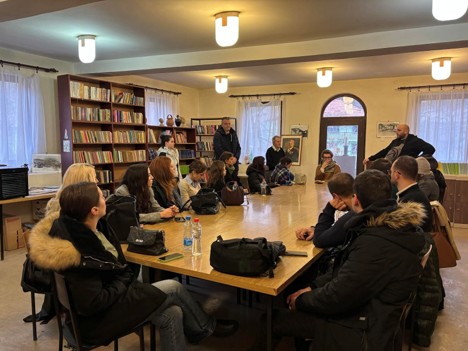
On the first day, participants attended a screening of the documentary “Šamaranje u ime naroda”, by Jelena Zorić. The screening was followed by a discussion of strategic lawsuits against public participation (SLAPPs), with the participation of the filmmaker and consultant Nina Nicović. Jelena Zorić also spoke about her personal experience of this form of legal pressure. The discussion was moderated by Prof. Dr Mirjana Drenovak-Ivanović and focused in particular on the effects of SLAPP proceedings on freedom of expression, investigative journalism, the work of activists, and the public’s right to participate in matters of environmental significance.
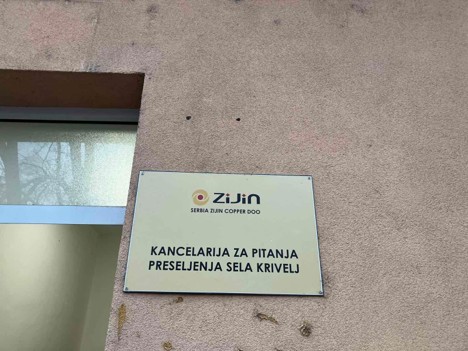
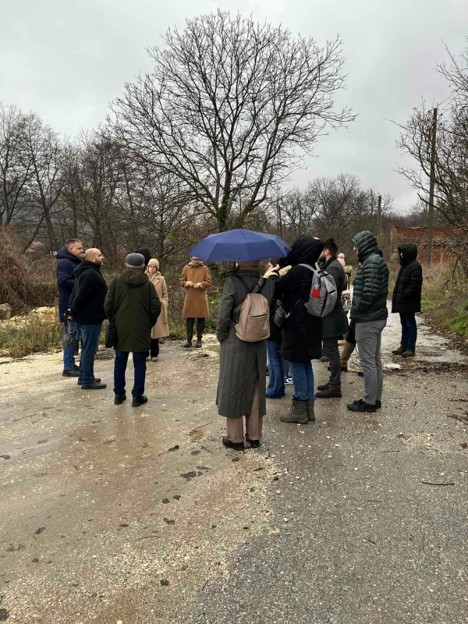
The second day was devoted to visits to areas where the consequences of mining activities are directly visible. Participants visited the villages of Slatina and Krivelj, the Bor River and locations near mining and processing facilities. They considered the principal sources of air, water and soil pollution, the conduct of the competent authorities, environmental inspection, mining-waste management and the remediation of damaged areas. The field visit and discussions with residents were led by Hristina Vojvodić and Toplica Marjanović of Društvo mladih istraživača Bor (Young Researchers of Bor).
Discussions with residents of Slatina and Krivelj gave particular attention to expropriation procedures, the possibilities for collective resettlement of affected communities, and the effects of blasting, the expansion of mining operations and pollution on everyday life. Participants heard directly about the legal and practical difficulties encountered by citizens seeking complete information, participation in decision-making and protection of their rights before the competent authorities.
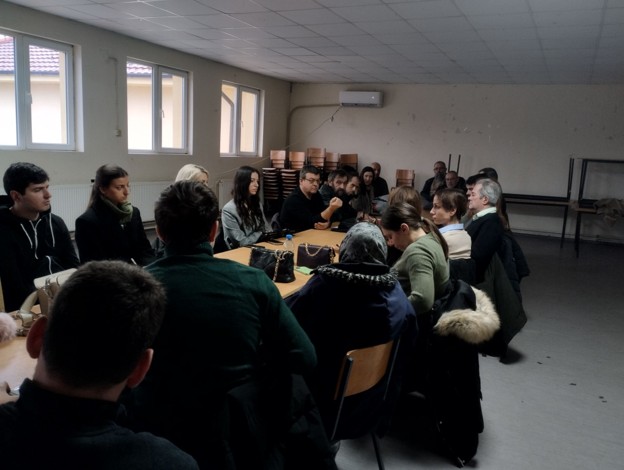
Following the field visit, participants worked in three groups. The first group considered access to legal protection, including access to information, public participation and the legal remedies available before domestic authorities and international bodies. The second group developed the basic elements of good-practice guidelines for mining activities, focusing on environmental monitoring, transparency, waste management, remediation and communication with local communities. The third group considered a model of cooperation among local self-government, citizens and the company, based on regular communication, publicly available data and joint monitoring of environmental conditions.
The group work was moderated by Prof. Dr Mirjana Drenovak-Ivanović, Hristina Vojvodić and Toplica Marjanović. The concluding exchange focused on possible legal activities, recommendations for improving practice and the next steps in cooperation with local communities.
The field visit demonstrated that the legal challenges associated with mining cannot be understood solely through the analysis of legislation and documents. Direct dialogue with citizens and observation of conditions on the ground provided a fuller understanding of the relationship between environmental protection, the rights of local communities, corporate accountability and the effectiveness of the competent authorities. The activity also confirmed the importance of the E-L-C Hub as a forum connecting academic knowledge, legal practice and citizens’ experience in order to advance access to environmental justice.